Digital healthcare in Denmark
Key figures
5.8M
inhabitants
5
regions
9.4% of GDP
destined for the healthcare sector in 2023
The Danish healthcare system offers universal coverage and is financed by general taxation.
Denmark is made up of 5 regions and 98 municipalities responsible for healthcare provision. In 2007, a reform centralized planning and regulation but decentralized responsibility for primary and secondary care. Today, the healthcare sector is managed at three political and administrative levels:
- Thestate services ensure the homogeneity of healthcare provision throughout the territory.
- Theregions own and administer public hospitals.
- The communes are responsible for home healthcare services, housing for the elderly or disabled, preventive actions.
The healthcare system is 83% tax-financed.Only dental care, physiotherapy and the partial reimbursement of certain drugs require a financial contribution from the patient.
Meeting the ambassadors
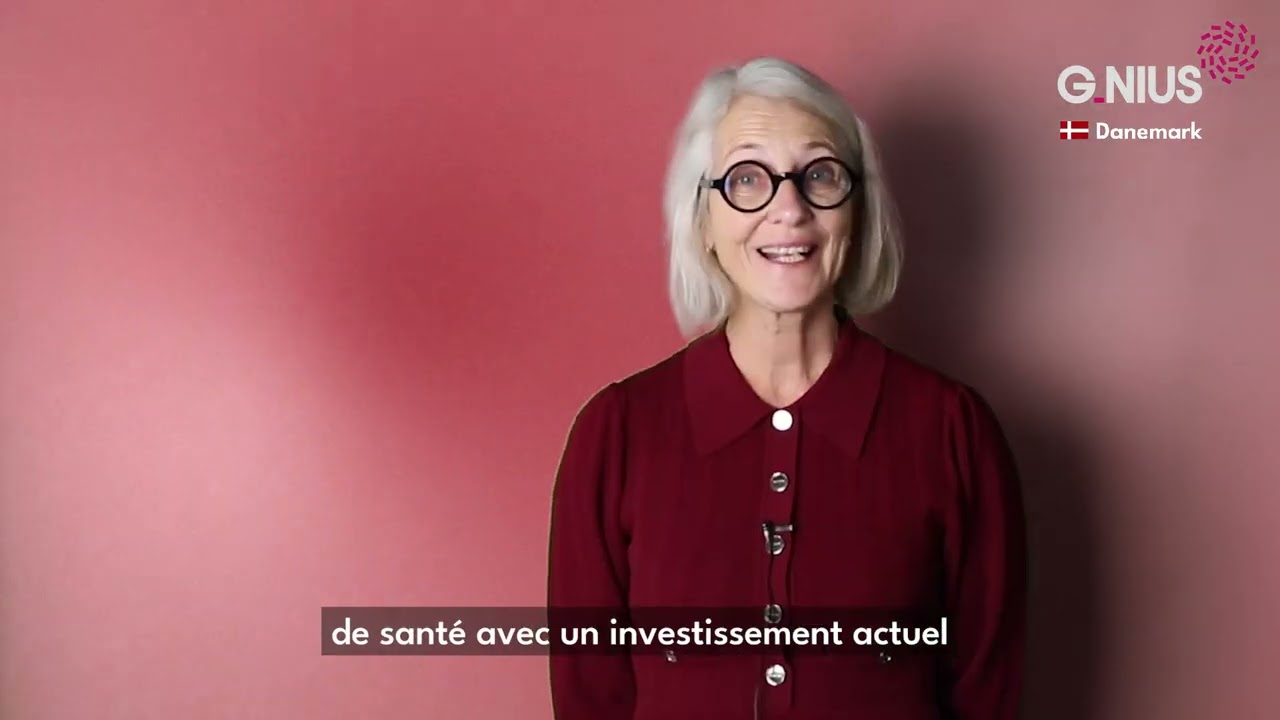
Anne Smetana, health attaché at the Danish Embassy in France
Health databases, pillars of digital healthcare
Denmark has set up a national platform for personal and aggregated health data. Sundhed.dk gives citizens access to data from their personalized medical records.
Collected systematically and in compliance with interoperability rules, the platform brings together numerous sources of healthcare data. Their reuse for research and innovation is promising.
How do you access the Danish market?
1. Contact Invest in Denmark
Invest in Denmark is the national investment agency responsible for welcoming international companies wishing to access the Danish market. Thanks to its experts in the development of digital medical technologies, it offers personalized support to entrepreneurs and helps design to market their solutions.
2. Getting closer to the regions, the first point of contact for innovation and access to the Danish market
The regions are responsible for both healthcare innovation and healthcare provision.They are federated at national level by the association of Danish regions.which fosters the exchange of information and technology.The role of its innovation council is to ensure that the best technological solutions are made available throughout the territory.
It is also a one-stop shop that connects innovators and hospitals facilitating access to digital health innovations on the market.
3. Get in touch with regional hubs responsible for innovation in healthcare
Each of Denmark's five regions has its own health innovation center, which is in direct contact with the regional healthcare services:
- The ideas clinic in the North Jutland region
- Innovation in the Central Jutland region
- South Denmark Health Innovation in the South Denmark region
- Innovation in the Central Jutland region
- South Denmark Health Innovation in the region of South Denmark
- Data and development support in the Zealand region
- Health research and innovation in the Capital region
4. Take into account the standards and repositories for health data exchange on the Medcom platform
The Medcom, a public organization, is tasked with enhancing digital communication within the Danish healthcare system, and defining standards and repositories for the exchange of healthcare data. .
The country emphasizes the secondary use of health data for innovation, research purposes. The Danish Health Data Authority (DHDA) is part of the Ministry of Health and has the main task of developing and managing national health registers to ensure comprehensive and valid health data for patient treatment, development, planning and research.
5. Conducting clinical trials with Trial nation, the one-stop shop for clinical trials
Attached to the Ministry of Health and its 5 regions, Trial Nation centralizes clinical trial applications to facilitate the process.
Some clinical trials can even be conducted decentralized via online recruitment and e-consultations, electronic data collection systems and handheld devices and direct dispatch to patients.
6. Obtain market authorization from Lægemiddelstyrelsen, the Danish drug agency.
The Lægemiddelstyrelsen is the authority regulating the marketing of healthcare products in Denmark. It is involved in the various stages of market access. Its role is to:
- Regulate the Danish pharmaceutical market and marketing authorizations
- Supervise the market for healthcare products
- Authorize clinical trials
- Authorize and define reimbursement rates for healthcare products and services
.
Government authorities and platforms
They are the guarantors of smooth operation and cooperation in the Danish healthcare system
.Support and innovation initiatives
They bring together and facilitate the incubation of new technologies
.Training
Universities and their groups that train and support digital health innovations
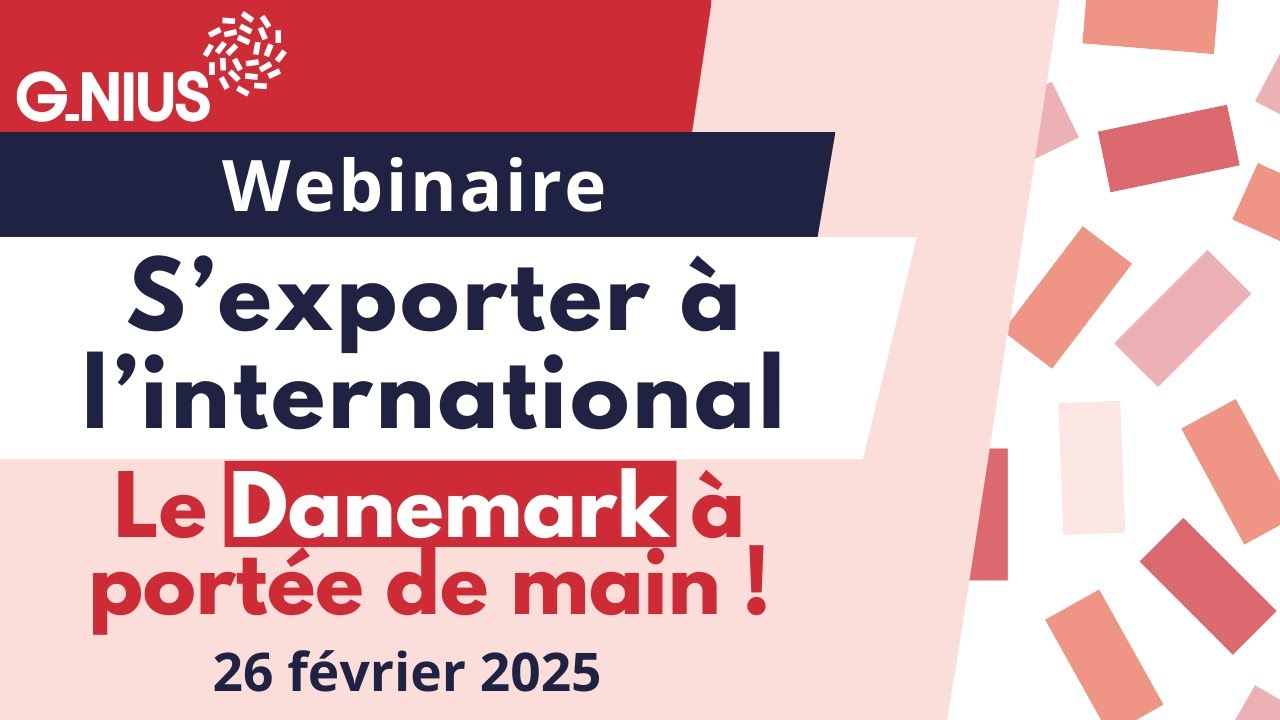
Exporting internationally - Denmark at your fingertips!
Webinar replay
Digital health in Denmark is one of the cornerstones of the Danish healthcare system and largely explains the country's status as a benchmark in Europe. Organized around five regions and local authorities that are heavily involved in healthcare delivery, the Danish public system combines universal coverage, healthcare innovation, and advanced use of health data. Funded primarily through taxation, Denmark's healthcare system provides broad access to services while promoting the digital transformation of care pathways and the continuous improvement of care quality.
Within the Danish healthcare system, general practitioners (GPs) play an essential role. Each patient is assigned to a primary care physician who coordinates primary healthcare, monitors medical follow-up, and refers patients to specialists or hospitals when necessary. This organization improves continuity of care, optimizes hospital activity, and helps reduce certain waiting lists. For expatriates coming from France or another European country, understanding the role of the GP is essential for integrating effectively into this healthcare system.
Digital health in Denmark is notably built on the use of a unique identification number and a card that allows each patient to access various digital services. The national platform Sundhed.dk provides access to medical records and facilitates interactions between citizens, healthcare professionals, and healthcare institutions. The secure sharing of health data promotes better coordination of services, faster patient care, and the development of new digital uses that benefit both patients and physicians.
The country also stands out for its commitment to interoperability. MedCom, a leading public organization, defines standards for health data exchange and strengthens digital communication among stakeholders within the public healthcare system. This ability to circulate information in a standardized manner supports healthcare innovation, clinical research, public policy management, and improvements in care delivery. The secondary use of data is also a major lever for accelerating the development of new technologies and enhancing the efficiency of the Danish healthcare system.
Universal health insurance is another pillar of the Danish model. It guarantees access to a large share of healthcare services for the entire population. Consultations with general practitioners, treatment in public hospitals, and many medical procedures are covered by public health insurance. Some dental services still require patient contributions, but the overall organization of the healthcare system remains one of the most protective in Europe. This combination of health insurance, quality of care, and digital innovation is regularly studied in France and in other countries such as Portugal.
The Danish market also attracts many international companies specializing in digital health. The regions play a central role in innovation and market access by facilitating collaboration between innovators, hospitals, and healthcare providers. This dynamic is reinforced by national organizations dedicated to investment, clinical research, and the promotion of healthcare technologies. Public stakeholders and innovation centers help make Denmark a particularly favorable environment for the development of high value-added digital solutions.
G_NIUS guides innovators toward resources dedicated to digital health in Denmark. The available content presents the organization of the Danish healthcare system, the role of health data in care pathways, as well as the initiatives and key stakeholders contributing to the development of digital health in the country. These resources enable innovators to better understand the specific features of the Danish model, the challenges of digital health, and the dynamics shaping the healthcare innovation ecosystem in Denmark.